Upper Freehold Locksmith Service Team
Local locksmith team
Nov 4, 2026 9 min read
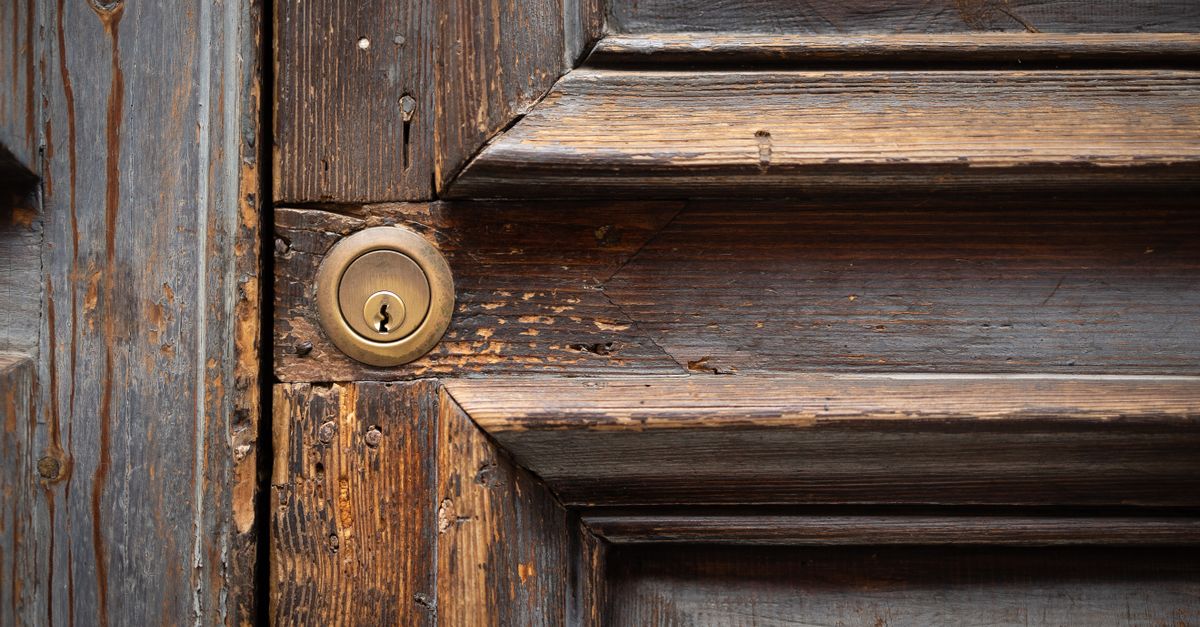
If your front door drags, sticks, or the latch simply refuses to catch, you are not alone — it is one of the most common calls Upper Freehold Locksmith receives from homeowners throughout the Freehold area. What looks like a minor annoyance can quietly become a real security gap, leaving your home exposed even when you think the door is shut. The good news is that most causes are identifiable, and knowing what you are dealing with tells you exactly who to call.
This guide walks you through the most frequent reasons a door won't close or latch in Freehold-area homes — from a sagging hinge on a heavy colonial-style front door to a strike plate that shifted over a New Jersey winter — and helps you decide whether a quick DIY fix, a carpenter, or a professional locksmith is the right next move. We cover everything from basic hardware issues to the more involved world of mortise lock service, so you can make a confident, informed decision before anything gets worse.
## Why Freehold Doors Stop Latching: The Three Main Culprits
The vast majority of latch and closure failures come down to three things: a misaligned strike plate, a swollen or warped door frame, or sagging hinges. Freehold sits in Monmouth County, where seasonal humidity swings are real — humid summers followed by dry, cold winters cause wood to expand and contract noticeably. Homes along Halls Mill Road and in older neighborhoods near the Freehold Raceway area often have heavy wooden doors that are especially sensitive to these shifts. When the door slab moves even a few millimeters out of true, the latch bolt misses its hole in the strike plate and the door simply will not catch.
A misaligned strike plate is usually the easiest fix: you can often see a bright wear mark on the plate showing exactly where the latch is hitting. Sagging hinges are just as telling — open the door to 90 degrees and look at the gap between the door edge and the frame. If it is wider at the top than the bottom, a hinge is loose or worn. Swollen frames are trickier because the problem disappears in dry months and returns every summer, making homeowners think the door is 'fixed' when it is really just dry. Identifying which culprit you are dealing with determines whether you grab a screwdriver, call a carpenter, or call us.
## When the Latch Itself Is the Problem — Locksmith Territory
Sometimes the door frame and hinges are perfectly fine, but the latch mechanism itself has failed. This is where locksmith expertise matters most. A lever door handle won't lock properly when the internal spring or cam has worn out — common on hardware that has been in service for ten or more years without lubrication or adjustment. Similarly, a door knob won't lock from inside when the spindle connecting the interior and exterior trim has broken or slipped, leaving the two sides of the hardware working independently of each other.
More involved are situations involving a mortise lock — the rectangular lock body that sits mortised into the edge of the door rather than mounted through a bored hole. Mortise lock or latch problems are particularly common in older Freehold homes and commercial properties built before the 1980s, because these mechanisms have more internal components that can wear, corrode, or simply go out of adjustment over decades of use. When a mortise latch and lock stops engaging reliably, the fix is not just tightening a screw — it often requires removing the lock body, inspecting the cam follower and latch bolt assembly, and either servicing or replacing the unit. That is skilled locksmith work, not a DIY project, and our team handles it daily across the Freehold area. If you are unsure whether your hardware is worth servicing or needs full replacement, call us at (609) 719-2877 — we will give you an honest assessment before any work begins.
## DIY Fixes Worth Trying Before You Call Anyone
If your diagnosis points to a minor strike plate shift, you can try a few things yourself. First, tighten every screw on both hinges using a screwdriver — not a drill on high torque, which can strip the holes. If the screws spin freely, the holes are stripped; remove the screw, push a wooden toothpick or matchstick into the hole with a little wood glue, let it dry, then re-drive the screw. This often restores enough grip to bring a sagging door back into alignment. For a strike plate that is just slightly off, you can enlarge the strike hole with a metal file, moving it in the direction the latch is hitting.
For swollen frames, patience is sometimes the fix — if the door swells only in summer, running a dehumidifier and improving attic ventilation can reduce seasonal movement enough to keep the door functional year-round. However, if the door is so tight it is difficult to close even in winter, the frame itself may have shifted, which is carpenter territory. Painting the exposed edge of an unpainted door slab can also slow moisture absorption significantly. Know your limits: if any of these attempts do not resolve the problem within twenty minutes of honest effort, stop. Forcing a door that will not cooperate can damage the frame, the latch bolt, or the lock body — turning a simple fix into a costlier repair.
## Locksmith vs. Carpenter: How to Know Who to Call
Here is the clearest way to think about it: if the problem is in the wood — a warped frame, a door that needs to be planed, damaged jamb material — that is carpenter work. If the problem is in the hardware — the latch, the lock body, the strike plate alignment, the spindle, or the cylinder — that is locksmith work. Many door closure failures involve both, and in those cases we will tell you honestly what we can resolve and what may need a carpenter's visit as well. We never oversell a scope of work, because our reputation in the Freehold area depends on straightforward service.
Locksmith involvement becomes especially important when security is compromised. A door that closes but does not latch is not just inconvenient — it means anyone can push it open. If your lever door handle won't lock or how to fix a door knob that won't lock has become a recurring question in your household, the hardware needs professional attention, not repeated temporary workarounds. Our mobile team comes to you anywhere in the Freehold area, arriving with the tools and replacement hardware to handle most repairs on the first visit. Pricing factors include the type of hardware involved, any parts needed, the time of day, and travel distance — we confirm an exact up-front price before we touch anything, so there are no surprises.
## Keeping It From Happening Again: Maintenance That Actually Works
The single most effective thing Freehold homeowners can do is lubricate door hardware twice a year — once in spring before humidity peaks, once in fall before heating season dries the air. Use a dry graphite lubricant or a PTFE-based spray on the latch bolt and strike plate, never WD-40, which attracts dust and gums up over time. Check all hinge screws at the same time and tighten any that show any give. This fifteen-minute routine can extend hardware life by years and prevents the gradual drift that causes latches to stop catching.
For homes with older mortise-style hardware, annual professional servicing is worth scheduling. A trained locksmith can clean and re-lubricate the internal components, check the cam and follower for wear, and catch problems before they become failures. Upper Freehold Locksmith offers this kind of preventive service alongside our emergency locksmith work — because we would rather help you avoid a lockout or a failed latch than respond to one at midnight. New Jersey's Garden State climate is tough on door hardware; a little routine care goes a long way. When you are ready to get your doors in shape or need urgent help right now, call (609) 719-2877 — we answer 24 hours a day, 7 days a week.
Frequently asked questions
My door closes but the latch won't catch — do I need a locksmith or a carpenter?+
In most cases, a locksmith. When the door closes physically but the latch bolt does not engage the strike plate, the issue is almost always in the hardware alignment or the latch mechanism itself — both are locksmith work. A carpenter is needed when the door or frame is physically warped, swollen beyond adjustment, or structurally damaged. If you are not sure, call us at (609) 719-2877 and describe what you are seeing; we can usually narrow it down before we even arrive.
What factors affect the cost of a latch or lock repair?+
Several things go into the final quote: the type of hardware involved (a simple passage latch is different from a full mortise lock body replacement), whether parts need to be sourced or are on our mobile unit, the time of day you call, and the travel distance to your location. We always confirm an exact up-front price before any work begins, so you know exactly what you are agreeing to. There are no vague estimates or after-the-fact additions.
Is it safe to leave my door as-is if it won't latch but still closes?+
No — a door that closes but does not latch is not secured. Any pressure from outside, including wind, can push it open. More seriously, a door that appears closed but is unlatched provides no meaningful resistance to forced entry. If your latch has failed, treat it as an urgent repair rather than a minor inconvenience. Our emergency locksmith service is available around the clock precisely for situations like this — call (609) 719-2877 and we will get to you.
Can you service or replace a mortise lock on an older Freehold home?+
Yes, and it is one of the more common jobs we handle in the area. Older homes throughout Freehold and the surrounding Monmouth County towns often have mortise-style hardware that simply needs experienced hands familiar with the mechanism. We carry common replacement mortise lock bodies on our mobile units and can source less common sizes quickly. We will assess the existing hardware, explain your options clearly, and let you decide how to proceed before we begin any work.